
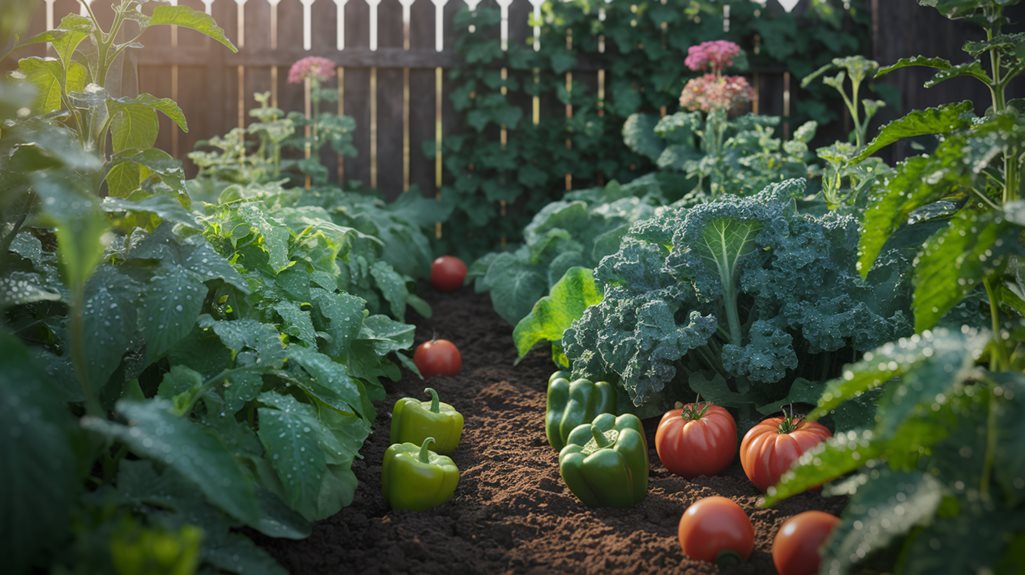
Turning a bare backyard into a vegetable garden can save money and put more fresh food on your table. You’ll find that growing your own vegetables isn’t just about digging in dirt; it’s about creating a sustainable food source that delivers peak nutrition and flavor impossible to find in stores. The secrets to garden success lie in understanding your specific growing conditions and selecting the right plants for your space.
On this page
Selecting the Perfect Location for Your Vegetable Garden
When choosing the ideal spot for your vegetable garden, sunlight exposure should be your primary consideration. Most vegetables require at least 6-8 hours of direct sunlight daily, with leafy greens tolerating partial shade better than fruiting plants like tomatoes or peppers.
Assess your soil quality by checking drainage—water shouldn’t pool after rain. The ideal soil is loamy with a pH between 6.0-7.0. You’ll want easy access to a water source to avoid hauling heavy containers during dry spells.
Consider proximity to your home; you’re more likely to maintain a garden you see daily. Avoid areas with competing tree roots or excessive wind that can damage tender plants.
If space is limited, prioritize south-facing locations where sunlight is maximized year-round. Additionally, budget-friendly gardening tips can help you make the most of your chosen location without breaking the bank. Remember, proper location selection greatly impacts your harvest success.
Essential Tools and Supplies for Successful Gardening
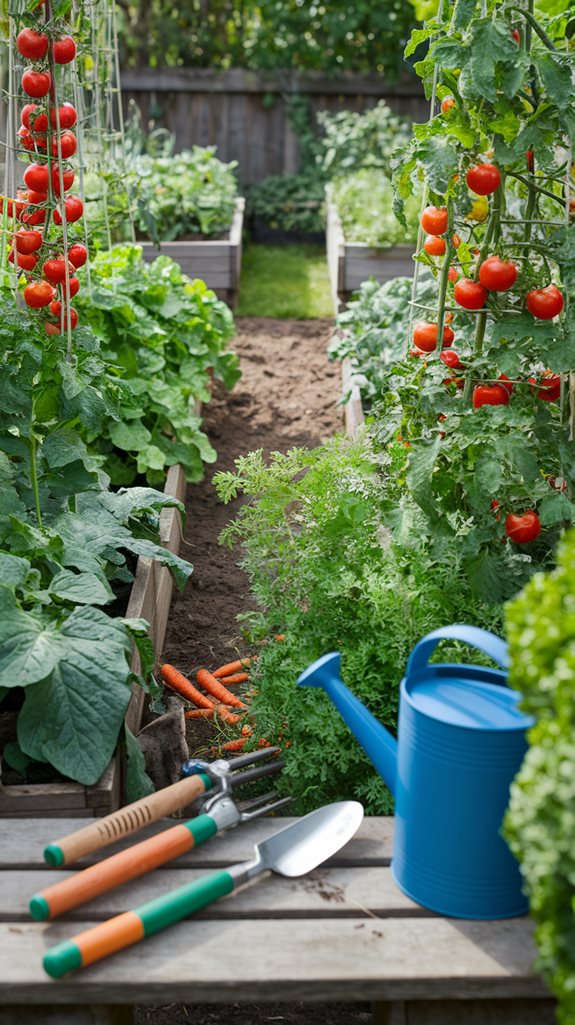
Once you’ve selected the perfect garden location, you’ll need the right equipment to turn that promising spot into a thriving vegetable garden.
Start with quality hand tools: a sturdy trowel, garden fork, pruners, and a hoe for weed control. Add a durable spade and garden rake for soil preparation.
Don’t overlook watering equipment—a reliable hose with adjustable nozzle or a watering can for seedlings is essential.
For planting precision, invest in a measuring tape, plant markers, and quality twine. A wheelbarrow saves countless trips when moving soil or compost.
Consider season extenders like cloches or row covers if your climate demands it.
Finally, stock durable gardening gloves to protect your hands and a broad-brimmed hat for sun protection. Additionally, using raised garden beds can improve soil drainage and provide better access for gardening tasks.
With these tools at the ready, you’re prepared for successful cultivation.
Understanding Soil Quality and Preparation Techniques
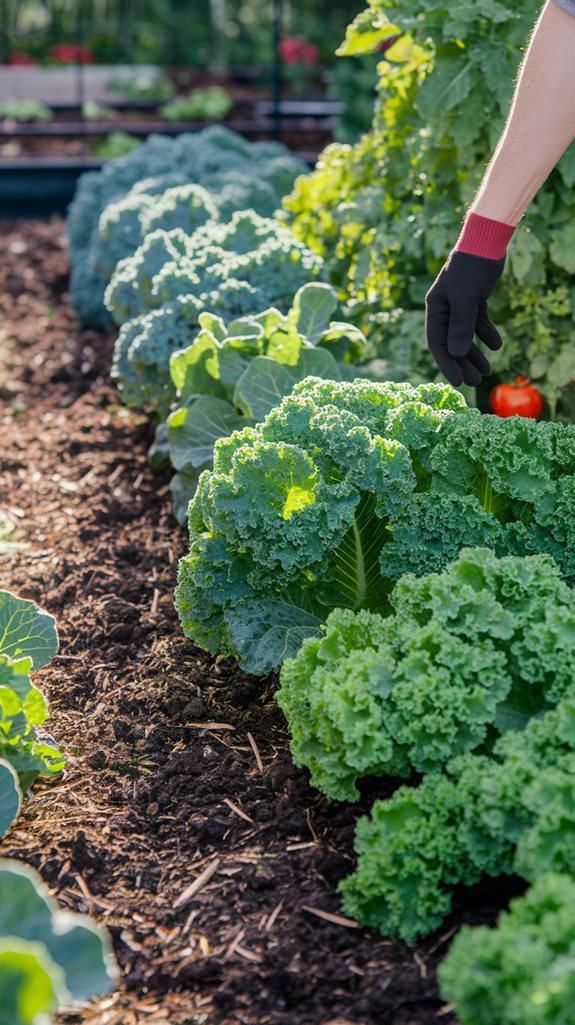
The foundation of every successful vegetable garden lies in understanding and nurturing your soil. Before planting, test your soil’s pH (ideally 6.0-7.0 for most vegetables) and nutrient profile using an inexpensive home kit or through your local extension office.
Amend poor soil with organic matter like compost, well-rotted manure, or leaf mold—aim for 2-3 inches worked into the top 6-8 inches of soil.
Clay soils benefit from added sand to improve drainage, while sandy soils need organic matter to retain moisture and nutrients.
Double-digging, a technique where you loosen soil twice as deep as standard tilling, creates ideal root growth conditions.
For no-till approaches, layer compost directly onto existing soil and plant into this enriched medium, preserving beneficial soil biology.
Choosing Nutrient-Rich Vegetables for Health Benefits
With your soil properly prepared, you’re now ready to select vegetables that offer maximum nutritional value for your garden space.
Focus on dark, leafy greens like kale and spinach, which provide iron, calcium, and vitamins A, C, and K. Don’t overlook brightly colored vegetables—red tomatoes contain lycopene, while orange carrots deliver beta-carotene.
Consider planting cruciferous vegetables such as broccoli and cauliflower, which contain cancer-fighting compounds. Peppers offer exceptional vitamin C content, with red varieties containing more than green ones.
Garlic and onions provide immune-boosting allicin compounds.
For limited space, prioritize nutrient-dense options that yield continuous harvests. Swiss chard, for example, offers more nutritional bang-for-buck than lettuce and regrows after cutting. Additionally, incorporating raised garden beds can enhance soil drainage and promote healthier root growth.
Choose varieties suited to your climate for ideal nutrition and flavor.
Seasonal Planting Guide for Maximum Yield
Understanding when to plant is just as essential as knowing what to plant in your vegetable garden. Each season offers ideal growing conditions for specific vegetables, allowing you to maximize your yield throughout the year.
In spring, focus on cool-weather crops like lettuce, peas, and radishes when soil temperatures reach 40°F.
Summer calls for heat-loving plants such as tomatoes, peppers, and eggplants after the last frost has passed.
Fall gardens thrive with a second round of spring crops, plus kale and Brussels sprouts that taste sweeter after light frost.
During winter, use cold frames or greenhouses for spinach and certain root vegetables. Additionally, proper soil preparation is crucial for ensuring healthy plants and maximizing your harvest.
You’ll need to adjust these guidelines based on your specific hardiness zone.
Track your garden’s performance year to year, noting which varieties succeed in your microclimate.
Organic Methods for Pest and Disease Control
After mastering the timing of your plantings, you’ll need effective strategies to protect your hard work from unwanted visitors.
Organic pest control relies on prevention, beneficial insects, and natural deterrents rather than synthetic chemicals.
Implement these proven organic solutions:
- Practice companion planting—marigolds repel nematodes while nasturtiums attract aphids away from vegetables. Plant basil near tomatoes to deter hornworms and enhance flavor.
- Introduce beneficial predators like ladybugs, praying mantises, and lacewings to naturally control aphid, mite, and caterpillar populations.
- Create homemade sprays using neem oil, garlic, or hot pepper solutions for targeted control. Apply diatomaceous earth around susceptible plants as a physical barrier against slugs and soft-bodied insects.
Additionally, using natural deterrents like essential oils can help to further repel unwanted pests without harming the ecosystem. Regular monitoring allows you to address issues before they become infestations, maintaining garden health without compromising produce quality.
Water Conservation and Irrigation Strategies
Water is the lifeblood of your vegetable garden, yet responsible management remains critical as climate challenges intensify.
Implement drip irrigation systems that deliver moisture directly to root zones, reducing evaporation compared to sprinklers.
Mulch beds with 2-3 inches of organic material to retain soil moisture and suppress thirsty weeds.
Collect rainwater in barrels connected to downspouts—a 55-gallon drum can supply a 100-square-foot garden for nearly two weeks. This method of harvesting rainwater not only conserves water but also reduces reliance on municipal water sources.
Water deeply but infrequently (1-2 inches weekly) to encourage deep root growth.
Timing matters: irrigate early morning to minimize evaporation and fungal issues.
Group plants with similar hydration needs together, creating irrigation zones that prevent wasteful overwatering of drought-tolerant crops like rosemary alongside thirstier tomatoes.
Harvesting and Storing Your Homegrown Vegetables
The perfect timing of harvest represents the critical difference between peak-flavor vegetables and mediocre produce from your garden.
Learn to recognize the subtle signs of readiness: vibrant color, appropriate firmness, and proper size for the variety. Most vegetables taste best when harvested in the morning, after dew has evaporated but before the day’s heat sets in.
For proper storage, follow these essential practices:
- Clean vegetables gently, removing soil without bruising the produce.
- Sort by quality, using imperfect specimens first and storing only unblemished items.
- Match storage conditions to each vegetable’s needs – some require refrigeration at high humidity, while others need cool, dry environments.
Different vegetables maintain quality for varying periods, from a few days for tender greens to months for properly cured root crops. Additionally, understanding vegetable storage requirements can significantly extend the freshness and flavor of your harvest.
Companion Planting to Enhance Growth and Flavor
Companion planting, one of gardening’s oldest and most effective strategies, transforms your vegetable garden from a collection of individual plants into a harmonious ecosystem.
By strategically pairing complementary vegetables, you’ll naturally deter pests, attract beneficial insects, and improve flavor profiles. Plant aromatic herbs like basil next to tomatoes to enhance their taste while repelling tomato hornworms.
Marigolds aren’t just decorative—they release compounds that suppress harmful nematodes in the soil. Additionally, creating a thriving herb garden can significantly boost the number of beneficial insects that help with pollination and pest control.
Tall, sun-loving plants provide natural shade for heat-sensitive varieties. Consider the classic “Three Sisters” technique: corn provides structural support for climbing beans, which fix nitrogen for corn and squash, while squash’s broad leaves suppress weeds and retain soil moisture.
You’ll notice fewer pest problems, stronger growth, and more vibrant flavors once you implement these natural partnerships.
Conclusion
Your backyard garden’s now a treasure trove of health and flavor. You’ve mastered location selection, soil preparation, and seasonal planting techniques. Like a conductor orchestrating a symphony, you’ve balanced companion planting, water conservation, and organic pest control.
Don’t forget to harvest at peak ripeness and store properly to extend freshness. With these practices, you’ll enjoy nutrient-rich vegetables year-round while nurturing a sustainable garden ecosystem.
