
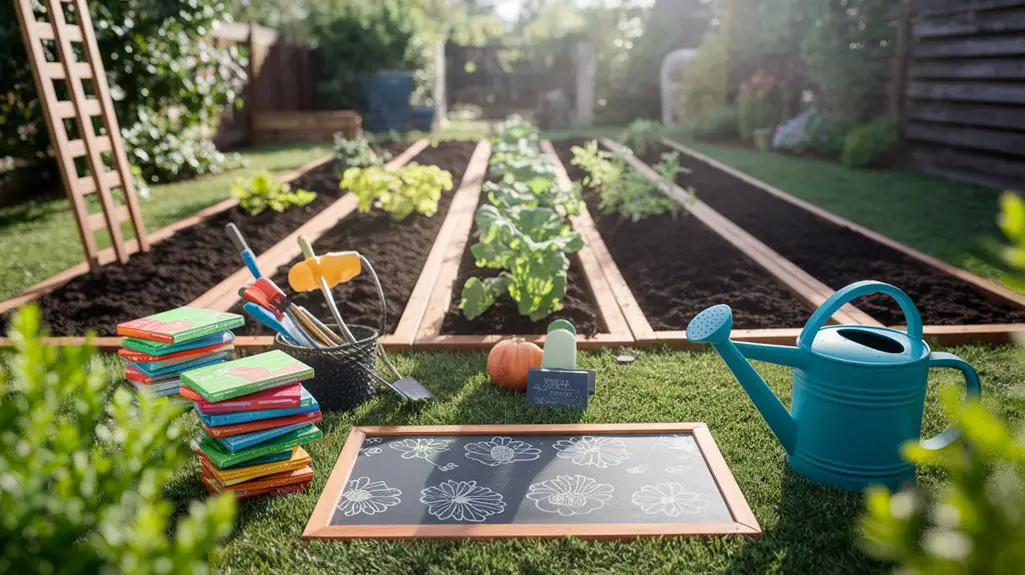
You’ve decided to grow your own vegetables, but where do you start? Planning your backyard garden requires careful consideration of several key factors before you even touch a seed.
From selecting the ideal location with proper sunlight exposure to understanding your soil composition, each decision impacts your future harvest. These initial steps might seem overwhelming, but they’ll establish the foundation for a productive and rewarding garden that provides fresh produce throughout the growing season.
On this page
Choosing the Perfect Location for Your Backyard Garden
Where you place your vegetable garden is perhaps the most critical decision you’ll make in the planning process. Most vegetables require at least six hours of direct sunlight daily, so observe your yard throughout the day to identify the sunniest spot. Southern exposure typically offers ideal light conditions.
Consider proximity to a water source—you’ll need easy access for irrigation. Avoid areas with poor drainage or standing water after rain.
Test soil quality with a pH kit; most vegetables thrive in slightly acidic soil (6.0-7.0 pH). To enhance your soil’s productivity, incorporate organic materials that can improve soil structure and nutrient content.
Don’t place your garden too far from your house—you’re less likely to maintain what you can’t see daily.
Also, avoid locations near large trees that compete for nutrients and water or cast excessive shade.
Finally, choose level ground when possible to prevent soil erosion and uneven watering.
Evaluating Your Soil Quality and Composition
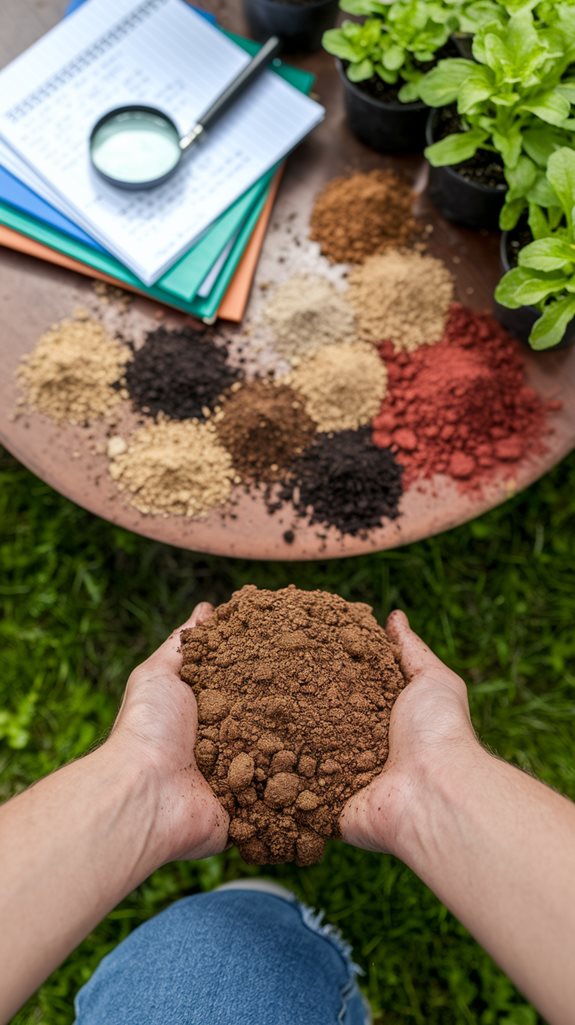
Understanding your soil’s composition is the foundation of a successful vegetable garden, as plants can only thrive when their root systems have proper access to nutrients, water, and oxygen. You’ll need to determine if your soil is mainly clay, sand, silt, or the ideal loam before adding amendments.
- Perform a soil test – Collect samples from different areas of your garden and use a home kit or send to a lab for pH and nutrient analysis.
- Assess drainage – Dig a hole 12 inches deep, fill with water, and check how quickly it drains (ideally 1-2 inches per hour).
- Check compaction levels – Insert a garden fork; excessive resistance indicates compaction issues.
- Identify organic matter content – Dark, crumbly soil suggests good organic content, while pale soil needs enrichment. Additionally, incorporating organic amendments can significantly enhance soil health and fertility.
Selecting Vegetables Based on Your Growing Zone
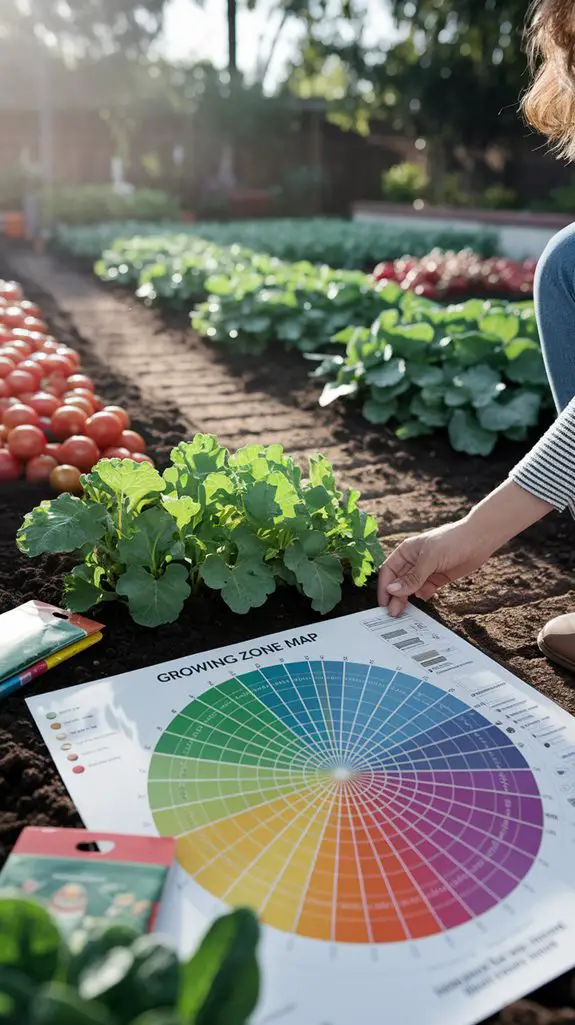
After thoroughly analyzing your soil composition, your next key consideration is the climate conditions that will determine which vegetables can flourish in your garden.
Start by identifying your USDA hardiness zone, which defines the temperature ranges in your region and establishes your growing season’s length.
Cool-season crops like lettuce, spinach, and peas thrive in zones 3-6, while heat-loving plants such as tomatoes, peppers, and eggplants excel in zones 7-10.
Consider your frost dates carefully—plant cool-weather vegetables early in spring or fall, and wait until after the last frost to introduce warm-weather varieties.
Don’t overlook microclimates within your yard. Areas sheltered by buildings may support less hardy plants, while exposed sections might require more resilient varieties.
Reference local extension offices for region-specific planting calendars and vegetable recommendations. Additionally, incorporating sustainable gardening practices can enhance soil health and improve vegetable yields.
Creating a Layout That Maximizes Space and Sunlight
Once you’ve selected suitable vegetables for your growing zone, designing an efficient garden layout becomes essential for maximizing your harvest potential.
Consider your available space, sunlight patterns throughout the day, and the specific needs of each plant variety.
- Position taller plants (corn, trellised tomatoes) on the northern side to prevent them from shading shorter plants.
- Group vegetables with similar watering requirements together to create irrigation zones and prevent overwatering sensitive varieties.
- Incorporate companion planting strategies by placing compatible plants next to each other to deter pests and enhance growth.
- Leave adequate walking paths between rows or beds (at least 18 inches wide) to enable easy harvesting and maintenance without compacting soil.
Your layout should account for mature plant sizes, not just seedling dimensions. Additionally, utilizing raised garden beds can improve soil drainage and provide better access for tending to your plants.
Essential Tools and Materials for Getting Started
Before diving into the planting process, you’ll need to gather several essential tools and materials to guarantee your backyard vegetable garden has the strongest possible foundation. Quality equipment makes gardening tasks efficient while ensuring proper plant care.
| Basic Tools | Growing Supplies |
|---|---|
| Garden trowel, spade, and fork for digging | High-quality potting soil and compost |
| Pruners and garden scissors for harvesting | Seeds or seedlings of chosen vegetables |
| Watering can and/or garden hose with adjustable nozzle | Organic fertilizers and mulch |
Don’t overlook protective gear—gardening gloves will shield your hands from blisters and soil-borne pathogens. A wheelbarrow or garden cart proves invaluable for transporting soil and harvests, while plant markers help track what you’ve planted where.
Invest in sturdy, well-made tools that’ll serve you for many growing seasons. Additionally, consider starting with easy-to-grow vegetables that are well-suited for beginners to boost your gardening confidence.
Planning Your Planting Calendar and Schedule
Timing makes all the difference when establishing a successful vegetable garden, which is why creating a detailed planting calendar is critical to your growing success.
You’ll need to align your planting schedule with your local climate, frost dates, and the specific requirements of each vegetable variety you’ve selected.
- Determine your hardiness zone and last frost date, then count backward to establish seed-starting times for indoor germination.
- Create a succession planting schedule for continuous harvests, staggering crops like lettuce every 2-3 weeks.
- Map crop rotation patterns to prevent soil depletion and pest buildup in the same area year after year.
- Schedule fall and winter crops during mid-summer to guarantee adequate growing time before temperatures drop.
Additionally, consider using natural insecticides to protect your crops from pests while maintaining a healthy garden ecosystem.
Setting Up Irrigation and Water Management Systems
With your planting calendar established, water management becomes the next foundation of garden success. Choose between drip irrigation for water efficiency, soaker hoses for simplicity, or sprinklers for broader coverage.
Install a timer to automate watering during ideal morning hours, conserving moisture and preventing fungal issues. Proper lawn irrigation systems can significantly enhance your garden’s health and productivity.
| System Type | Water Efficiency | Best For |
|---|---|---|
| Drip Lines | Excellent | Row crops |
| Soaker Hoses | Very Good | Beds |
| Sprinklers | Fair | Large areas |
| Rain Barrels | Sustainable | Conservation |
| Ollas | Good | Deep roots |
Consider your garden’s microclimates when positioning irrigation components. Vegetables need approximately one inch of water weekly, though requirements vary by plant type and growth stage. Monitor soil moisture regularly by inserting your finger one inch deep—if it’s dry, it’s time to water.
Implementing Pest Control and Garden Protection Strategies
Even the most carefully planned garden faces threats from pests and environmental challenges, making protection strategies essential for harvest success.
You’ll need to implement multiple defense layers to protect your crops without harsh chemicals.
- Attract beneficial insects – Plant companion flowers like marigolds, lavender, and borage to draw pollinators and predatory insects that control pest populations naturally.
- Install physical barriers – Use row covers, netting, or chicken wire to prevent larger pests like rabbits, deer, and birds from accessing your vegetables.
- Practice crop rotation – Move plant families to different garden sections each season to disrupt pest life cycles and prevent soil-borne diseases.
- Monitor regularly – Inspect plants weekly, identifying issues early when they’re manageable with organic interventions like neem oil, insecticidal soap, or manual removal. Additionally, incorporating organic pest control methods can enhance your garden’s resilience against infestations.
Conclusion
With your garden plan in hand, you’re now ready to dig in and bring your vegetable patch to life. Remember that Rome wasn’t built in a day—successful gardens develop through seasons of learning and adaptation.
Stay flexible, observe your plants’ responses, and adjust your approach accordingly. By following these steps methodically, you’ll soon harvest the rewards of your well-planned garden space.
