
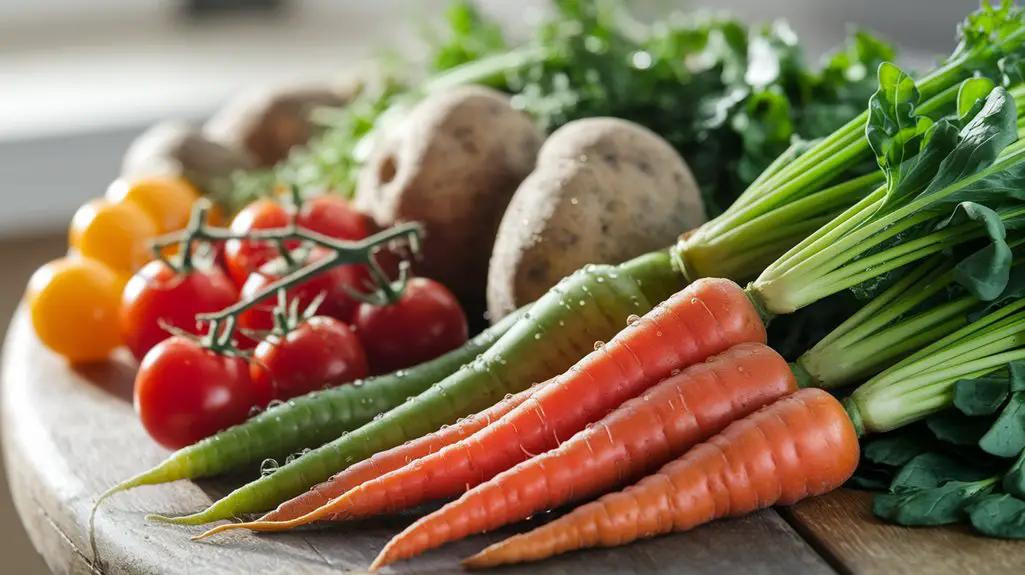
Plenty of first-time gardeners give up after picking plants that are too hard to grow. You’ll find that starting with forgiving vegetables like leafy greens and root crops dramatically increases your chances of success.
These beginner-friendly options require minimal maintenance while providing nutritional benefits that far exceed store-bought alternatives. The vegetables outlined here won’t just survive your early gardening mistakes—they’ll actually thrive, setting you up for a rewarding and sustainable hobby.
On this page
Easy-to-Grow Leafy Greens for First-Time Gardeners
Leafy greens offer the perfect starting point for novice gardeners looking to build confidence and harvest nutritious produce quickly. You’ll find lettuce, spinach, kale, and arugula particularly forgiving for beginners, as they grow rapidly and don’t require extensive care.
Most leafy greens thrive in partial shade and need consistent but moderate watering. You can start harvesting just 3-4 weeks after planting by taking outer leaves while allowing the center to continue growing. This “cut and come again” method provides multiple harvests from a single planting.
These vegetables aren’t only easy to grow but also packed with nutrients. Kale contains more vitamin C than oranges, while spinach delivers significant iron and calcium. Additionally, leafy greens are known for their high nutrient density, making them an excellent choice for health-conscious gardeners.
Starting with these resilient greens helps you develop essential gardening skills while immediately enhancing your diet.
Low-Maintenance Root Vegetables That Thrive in Most Soils
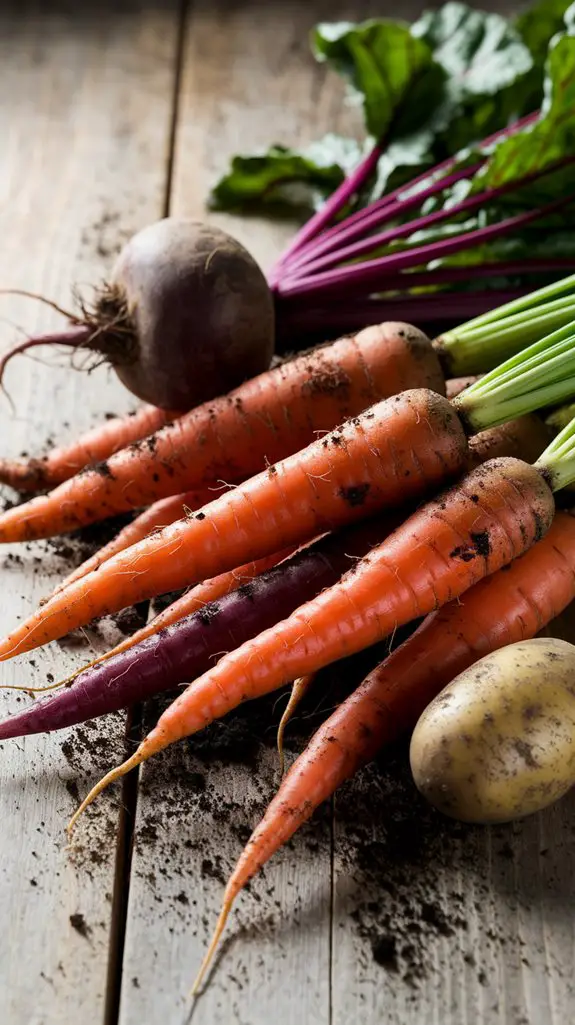
Root vegetables represent some of the most forgiving options for novice gardeners, requiring minimal attention while producing satisfying harvests even in less-than-ideal soil conditions.
Carrots, radishes, and turnips develop well in loose soil with minimal amendments, making them perfect starter crops. You’ll find radishes particularly rewarding as they mature in just 3-4 weeks.
Beets offer dual benefits—nutritious roots and edible greens—while thriving in various soil types. Additionally, many perennial vegetables can be grown alongside these root crops for added diversity and resilience in your garden.
Potatoes excel in containers or ground plantings with simple hilling techniques. These vegetables are good sources of antioxidants and minerals. Their storage capability also extends your harvest benefits through winter months.
Fast-Growing Vegetables for Quick Harvest Satisfaction
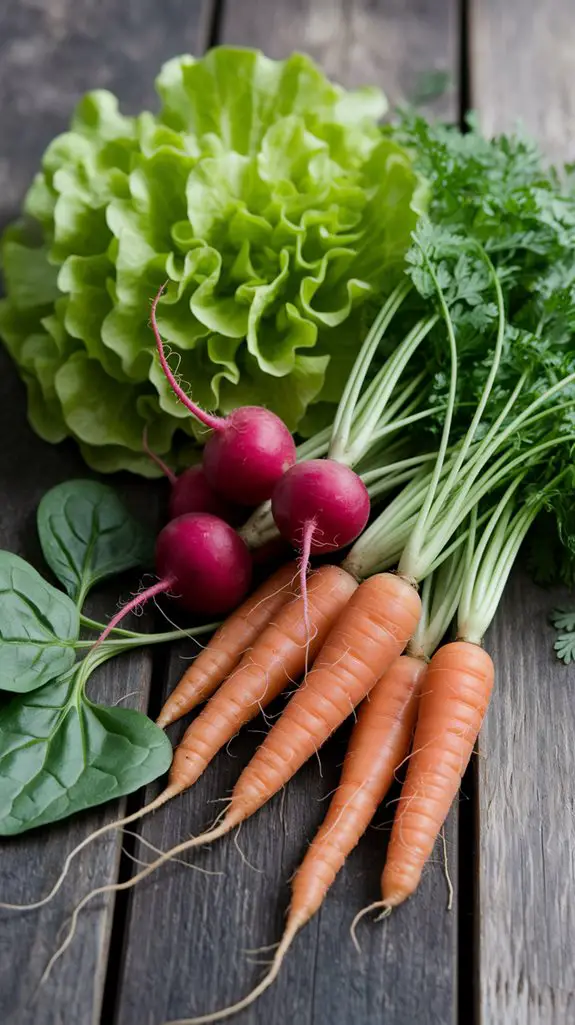
For novice gardeners who crave quick results, fast-growing vegetables offer unmatched satisfaction while maintaining enthusiasm for your new hobby. Radishes lead the pack, ready to harvest in just 21-28 days, providing immediate gratification and confidence in your gardening abilities.
Leafy greens like spinach, arugula, and leaf lettuce can be harvested within 30 days using the “cut-and-come-again” method, where you’ll snip outer leaves while allowing the center to continue producing.
Asian greens such as bok choy and tatsoi also mature rapidly in 40-50 days.
Green onions offer versatility and quick results, with harvestable tender tops appearing in just two weeks.
These quick-growing options allow you to enjoy fresh produce while slower-maturing vegetables develop.
Space-Efficient Vegetables for Small Backyard Gardens
Limited garden space shouldn’t restrict your vegetable growing ambitions. Vertical growing techniques and container gardening can transform even tiny yards into productive mini-farms. Select compact varieties specifically bred for space efficiency while maintaining nutrient density.
- Leafy greens like spinach, kale, and arugula grow in shallow containers, requiring only 4-6 inches of soil depth while providing multiple harvests from a single planting.
- Cherry tomatoes in hanging baskets utilize vertical space, producing up to 4 pounds of fruit per plant while delivering high levels of lycopene and vitamin C.
- Bush beans yield approximately 3-5 pounds per square foot without requiring trellising, offering concentrated protein and fiber in minimal space. Additionally, container gardening allows for greater control over soil quality and moisture levels, enhancing plant growth and yield.
Heat-Tolerant Vegetables for Summer Success
When summer temperatures soar, many novice gardeners struggle to maintain thriving vegetable plots. Choosing heat-tolerant varieties will guarantee your garden remains productive through hot months. Focus on okra, sweet potatoes, and eggplant – vegetables that actually prefer temperatures above 85°F.
Tomatoes (especially varieties like ‘Solar Fire’ and ‘Sun Gold’), peppers, and southern peas continue producing when properly watered. These plants have adapted to conserve moisture and resist sun damage through specialized leaf structures.
For leafy options, New Zealand spinach and Swiss chard offer better heat resistance than regular spinach. Malabar spinach, technically a vine, thrives in humidity and provides nutritious greens when lettuce bolts.
Water these vegetables deeply but infrequently to develop drought-resistant root systems. Mulching around plants helps retain soil moisture and reduces ground temperature. Additionally, incorporating sustainable gardening practices will enhance your garden’s resilience and environmental impact.
Cold-Resistant Vegetables for Extended Growing Seasons
While summer gardening gets the most attention, extending your growing season with cold-resistant vegetables allows you to harvest fresh produce well into fall and winter months.
These hardy plants can withstand frost and cooler temperatures, making them ideal for beginners looking to maximize garden productivity.
- Kale and collards thrive in temperatures as low as 20°F (-6°C), providing nutritious greens throughout winter in many regions while actually developing sweeter flavors after light frosts.
- Brussels sprouts and cabbage withstand temperatures down to 28°F (-2°C) and often taste better after exposure to cold, as freezing temperatures convert their starches to sugar.
- Root vegetables like carrots, parsnips, and turnips can survive in the ground through freezing conditions when properly mulched, serving as natural cold storage.
Additionally, incorporating edible landscaping elements such as herb gardens can enhance both the aesthetics and functionality of your growing space.
Pest-Resistant Varieties for Worry-Free Gardening
Beyond selecting vegetables for climate resilience, choosing pest-resistant varieties can greatly reduce garden maintenance and increase your harvest success.
Look for vegetables bred specifically for natural resistance to common pests. Cherry tomatoes like ‘Sun Gold’ and ‘Sweet 100’ typically resist many tomato diseases, while butternut squash develops a hard exterior that deters many insects.
Plant aromatic herbs such as rosemary, thyme, and basil among your vegetables to naturally repel pests. Onions and garlic also emit compounds that many garden pests avoid.
When shopping for seeds or seedlings, check labels for “disease-resistant” or “pest-resistant” designations, often indicated by letters like VFN (Verticillium, Fusarium, Nematodes).
These built-in protections mean you’ll spend less time troubleshooting and more time enjoying your harvest.
High-Yield Vegetables That Provide Abundant Harvests
Several high-yield vegetables offer exceptional value for beginner gardeners with limited space.
These productive plants maximize your garden’s output while minimizing your required effort—a perfect combination when you’re just starting out. Cherry tomatoes, zucchini, and leafy greens consistently rank among the most productive garden plants per square foot.
- Cherry tomatoes: A single plant can produce hundreds of fruits throughout the growing season, often yielding 2-3 pounds weekly during peak harvest.
- Zucchini: Known for its prolific nature, one plant typically yields 6-10 pounds over the season.
- Leaf lettuce: Harvest outer leaves while allowing centers to continue growing, providing continuous yields for weeks.
High-yielding varieties not only provide more food but also keep new gardeners motivated, making it more likely you’ll continue growing your own produce.
Container-Friendly Options for Patio and Deck Gardens
Apartment dwellers and homeowners with limited yard space can still enjoy growing fresh vegetables through container gardening. Select vegetables with compact growth habits and shallow root systems for ideal results. Additionally, incorporating vertical gardening techniques can further maximize your planting space in small areas.
| Vegetable | Container Size | Days to Harvest |
|---|---|---|
| Lettuce | 6-8″ deep | 45-55 days |
| Cherry Tomatoes | 12″ deep | 65-75 days |
| Bush Cucumbers | 10″ deep | 50-70 days |
Herbs like basil, mint, and chives also thrive in containers as small as 6″ in diameter. When selecting containers, make sure they have drainage holes and use high-quality potting mix specifically formulated for containers. Position your containers where they’ll receive at least 6 hours of sunlight daily and water consistently to maintain even soil moisture.
Cost-Effective Vegetables That Save on Grocery Bills
Growing your own vegetables isn’t just rewarding—it’s also financially smart. Certain varieties deliver exceptional return on investment, yielding abundant harvests from minimal upfront costs and effort.
- Leafy greens like spinach and kale offer multiple harvests per season, with cut-and-come-again growth patterns that turn one inexpensive seed packet into weeks of harvests.
- Zucchini and summer squash plants produce prolifically, often generating 6-10 pounds of vegetables per plant, creating substantial grocery savings through summer months.
- Cherry tomatoes outperform store-bought varieties in both flavor and value, with high-yielding plants producing hundreds of fruits that would cost $15-20 per pound at specialty markets.
Additionally, growing seasonal vegetables allows you to take advantage of peak flavors and nutrition, enhancing both your culinary experience and economic benefits.
Choose these budget-friendly options to maximize your garden’s economic impact while enjoying fresher, more nutritious produce.
Conclusion
Your garden is the canvas where these beginner-friendly vegetables paint a picture of success. By starting with fast-growing greens, space-efficient root vegetables, and resilient varieties, you’re building not just a harvest but confidence.
Gardening can ease stress and put more fresh vegetables in your diet. These starter vegetables represent your first steps on a sustainable journey to better health and self-sufficiency.
