Just as ancient civilizations built aqueducts to bring water to their communities, you can lead your neighborhood in creating sustainable rainwater harvesting systems. You’ll find that collecting rainwater together not only reduces water bills but also strengthens community bonds as you work toward environmental goals. By organizing your neighbors around this practical project, you’ll transform rainfall from a wasted resource into a valuable asset. What specific challenges might your neighborhood face in getting started?
The Environmental and Economic Benefits of Collective Rainwater Collection
While climate change threatens water security in many regions, neighborhood rainwater harvesting offers a practical solution with significant environmental and economic advantages.
By collecting rainfall collectively, you’ll reduce stormwater runoff that often carries pollutants into local waterways and causes erosion.
You’ll also decrease your community’s reliance on municipal water supplies, lowering both water bills and energy consumption associated with water treatment and distribution.
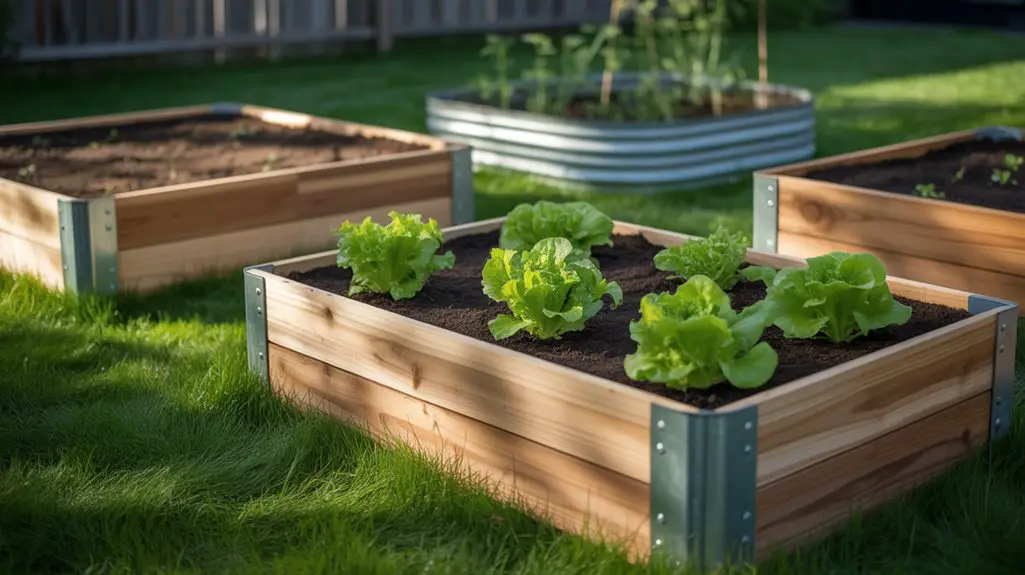
During dry periods, your stored rainwater provides irrigation for gardens and landscapes, maintaining green spaces without tapping into drinking water reserves.
The financial benefits extend beyond utility savings—many municipalities offer tax incentives for green infrastructure projects.
Plus, you’re building community resilience against water restrictions while simultaneously protecting local ecosystems and groundwater supplies for future generations. Additionally, implementing DIY rainwater collection ideas can further enhance the effectiveness of your neighborhood’s harvesting efforts.
Assessing Your Neighborhood’s Rainfall Patterns and Water Needs
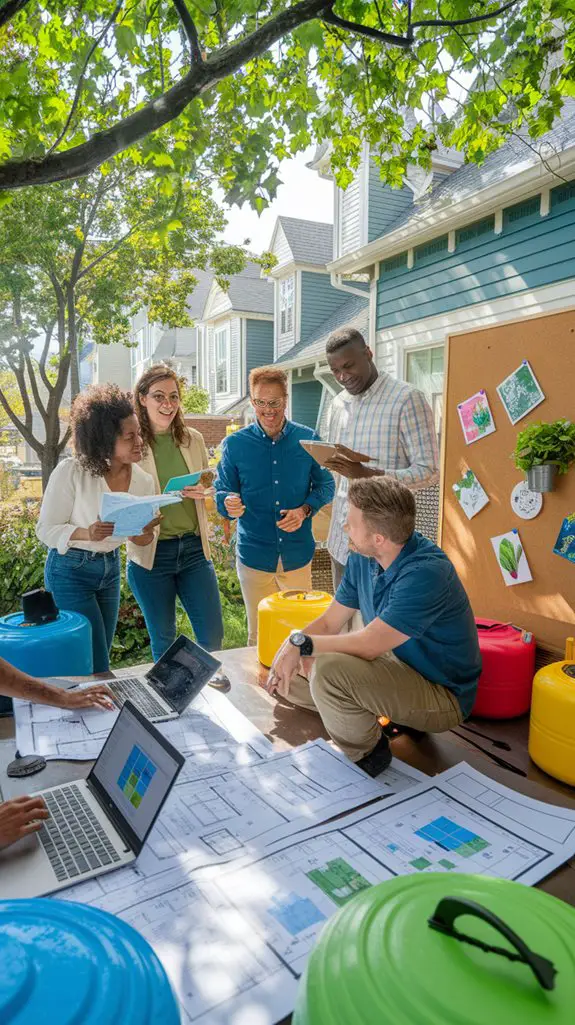
Before launching a community rainwater harvesting project, you’ll need to understand your neighborhood’s specific precipitation patterns and water requirements. Start by collecting local rainfall data from weather services or by installing rain gauges throughout your area to track seasonal variations.
Next, survey your community’s water usage. Identify where harvested rainwater could replace municipal water—common uses include garden irrigation, decorative fountains, and cleaning outdoor spaces.
Calculate the collective water needs for these purposes to determine appropriate storage capacity.
Don’t forget to analyze your neighborhood’s topography and drainage patterns. Note where water naturally collects during rainfall and where flooding occurs.
These observations will help you position collection systems strategically and maximize capture efficiency while addressing existing drainage problems.
Designing a Shared Rainwater Harvesting System
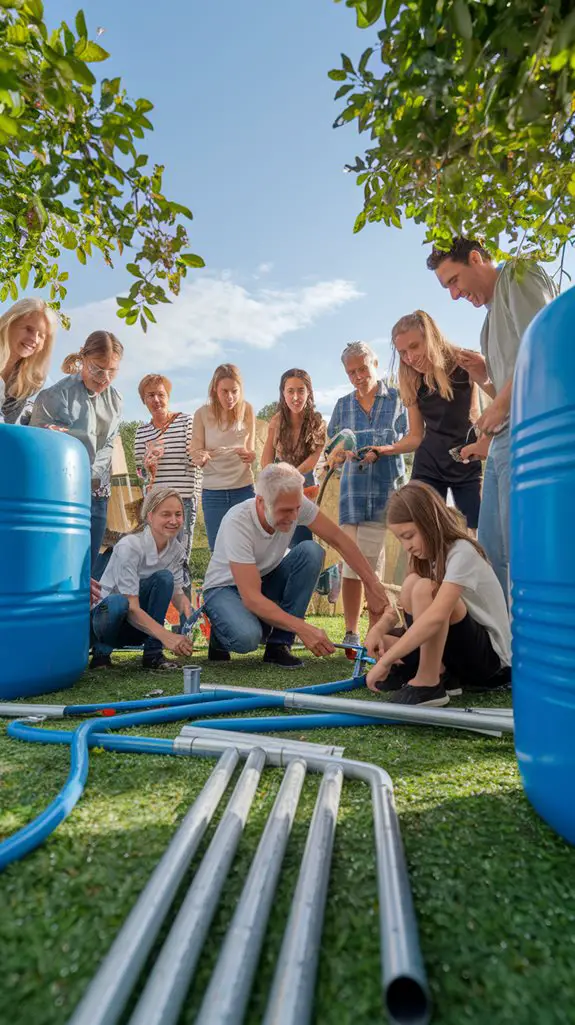
Once your community has assessed its rainfall patterns and water needs, designing an effective shared harvesting system requires thoughtful planning and collaboration.
Start by forming a design committee with neighbors who’ve relevant skills—engineering, plumbing, or landscaping experience is valuable.
Your system should include collection surfaces (typically roofs), gutters, downspouts, first-flush diverters, storage tanks, and distribution methods.
Consider a modular design that can expand as more households join. You’ll need to calculate appropriate tank sizes based on your rainfall data and community water goals.
Don’t forget to incorporate filtration and treatment components to guarantee water quality matches its intended uses. Rainwater harvesting systems can significantly reduce reliance on municipal water supplies.
For community gardens, simple drip irrigation systems work well, while potable applications require more sophisticated purification.
Essential Materials and Equipment for Community Water Collection
A successful neighborhood rainwater harvesting system requires specific materials and equipment that balance durability, cost-effectiveness, and functionality.
You’ll need collection surfaces (typically rooftops), food-grade storage tanks (250-1000 gallons), and properly sized gutters with leaf guards.
Essential components include first-flush diverters to eliminate initial contaminated runoff, mesh screens to prevent debris entry, and flexible downspout connectors.
Don’t forget a secure foundation for your tanks—concrete pads work well for larger systems. For distribution, you’ll need a combination of valves, spigots, and possibly a small pump for pressure.
Consider including basic monitoring equipment like water-level indicators and simple filtration systems if you’re planning any non-potable household use. Additionally, implementing rainwater systems for drought resistance can enhance the overall effectiveness of your community project.
When purchasing, look for UV-resistant materials that won’t degrade in sunlight and can withstand your local climate conditions.
Organizing Your Neighborhood Planning Committee
Establishing a dedicated neighborhood planning committee serves as the foundation for any successful community rainwater harvesting project.
Start by identifying neighbors with relevant skills like project management, engineering, or landscaping experience.
You’ll need to create clear roles and responsibilities for committee members. Designate a coordinator, treasurer, communications lead, and technical advisor.
Schedule regular meetings at consistent times to maintain momentum and accountability.
Create a simple decision-making process that allows for consensus while preventing deadlock. Document all committee discussions and decisions in a shared digital workspace that everyone can access.
Remember to create communication channels that work for all members—whether that’s a messaging app, email group, or social media page.
You’ll want to guarantee information flows smoothly throughout the planning and implementation phases. Additionally, consider incorporating rainwater harvesting techniques that can enhance your urban gardening efforts and maximize water collection efficiency.
Step-by-Step Installation Guide for Group Projects
With your committee organized and communication systems in place, it’s time to implement your neighborhood rainwater harvesting project through careful, sequential steps.
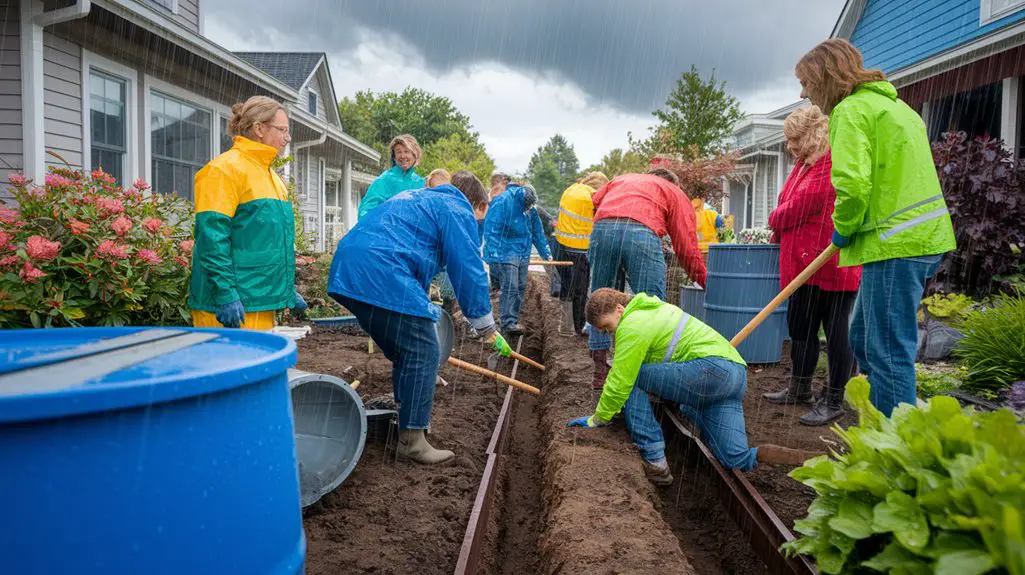
First, mark installation locations and confirm property boundaries. Then gather all materials and tools a day before your scheduled work day.
Begin early by preparing surfaces and setting up safety barriers. Install your collection systems by securing gutters, downspouts, and first-flush diverters. Position storage tanks on level, reinforced bases and connect them to your collection system.
Install filtration systems and overflow mechanisms to prevent contamination and flooding. Test each system by running water through it and checking for leaks or blockages. Implementing innovative rainwater systems can enhance the effectiveness and sustainability of your project.
Finally, add clear labels with maintenance instructions on each component. Document the entire process with photos for future reference and maintenance training.
Maintaining and Monitoring Your Community Water System
Once your neighborhood rainwater harvesting system is installed, regular maintenance and monitoring become essential to guarantee its long-term effectiveness and safety.
Create a rotating schedule where volunteer teams inspect the system monthly. Check gutters and downspouts for debris, clean filters, and examine collection tanks for cracks or leaks.
During rainy seasons, increase monitoring frequency to prevent overflow issues.
Install water quality testing kits to regularly check for contaminants. Record rainfall amounts and water collection data on a shared spreadsheet to track system efficiency over time. This data helps identify patterns and opportunities for improvement.
Consider organizing quarterly maintenance days where the entire neighborhood participates. These events strengthen community bonds while ensuring everyone understands the system’s operation.
When problems arise, address them quickly to prevent minor issues from becoming major repairs. Additionally, incorporating backyard irrigation methods can maximize the use of harvested rainwater for your community’s needs.
Expanding Your Project: Grants and Local Government Support
After your neighborhood rainwater harvesting system is functioning smoothly, you’ll likely want to scale up your efforts beyond the initial installation.
Start by researching federal programs like EPA’s Environmental Justice Small Grants and USDA’s Rural Development initiatives that specifically fund community water projects.
Don’t overlook local resources—many municipalities offer matching funds or technical assistance for green infrastructure.
Approach your city council with documented success metrics from your current project. You’ll strengthen your case by highlighting multiple benefits: reduced stormwater runoff, lower water bills, and community engagement.
Create partnerships with local businesses by demonstrating how sponsoring tank installations enhances their environmental credentials.
Consider applying for sustainability awards that bring recognition and often include cash prizes you can reinvest in system expansions.
Conclusion
Your neighborhood rainwater harvesting project stands as a beacon of sustainability in your community. As raindrops transform into liquid gold, you’ve created ripples of change that extend beyond water conservation. Together, you’ve planted seeds of collaboration that’ll continue to flourish. By nurturing this shared endeavor, you’re not just harvesting water—you’re cultivating resilience, connection, and a blueprint for future environmental stewardship in your community.